Namelix vs YesChat
Plans, free access, limits and intended use side by side, taken from each vendor’s own pages. No score and no winner: the facts show where the two differ.
Change tools
From naming ideas to a checked shortlist

Match the model to the plan before counting credits
- Free access
- Namelix: Free access
- YesChat: Free access
- Paid from
- Namelix: No fixed price listed
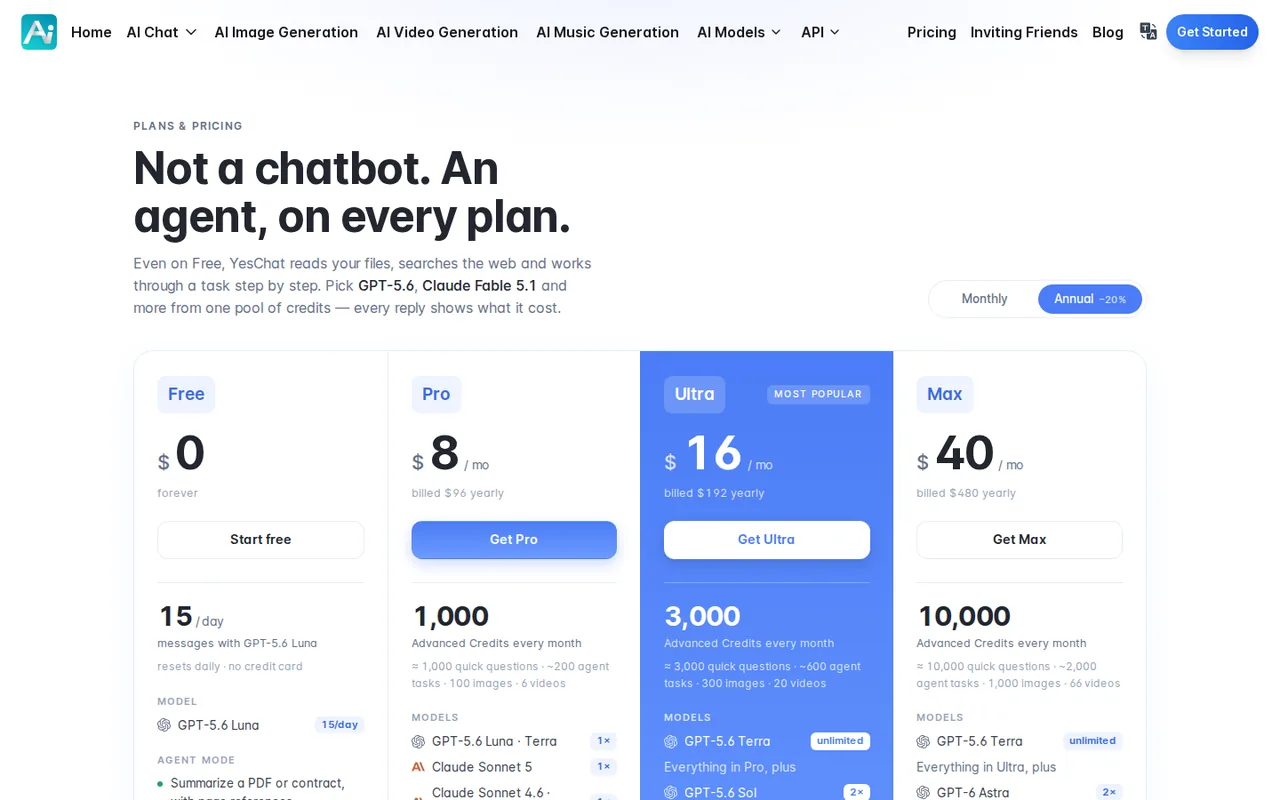
- YesChat: USD 10 per month
- Plans listed
- Namelix: 1
- YesChat: 4
- Public API
- Namelix: Not confirmed
- YesChat: Not confirmed
Where Namelix and YesChat differ
- PlansNamelix lists 1 plans and YesChat lists 4.
Head to head
Each value from the tool’s profile and the vendor’s own pages
| Namelix | Fact | YesChat |
|---|---|---|
| Access and price | ||
| Free access availableFree naming service · USD 0 | Free accessSame | Free access availableFree · USD 0 |
| No fixed price listed | Lowest listed paid plan | USD 10 per monthPro · billed monthly · or $8 per month, $96 billed yearly |
| Free name generation; domain and logo costs separate | Pricing model | Free daily plan; paid from $10/month |
| 1 | Plans listedDiffers | 4 |
| Not confirmed | Public API | Not confirmed |
| Not confirmed | Card to start | Not required |
| No | Open sourceSame | No |
| What it is for | ||
| Shortlisting brand names before buying a domain | Built for | Trying several chat models under one metered balance |
| Writing & content | CategorySame | Writing & content |
| Platforms |
|
| Not listed | Works with | Not listed |
| How current | ||
| Profile sources checked | ||
| Prices confirmed · Sep 27, 2026 | Pricing checkSame | Prices confirmed · Oct 2, 2026 |
Official source check for both tools. No hands-on testing and no score: “Differs” marks a documented difference, not a better tool.
Plans and prices
YesChat
Prices confirmed · Oct 2, 2026- FreeUSD 0
- ProUSD 10 per monthbilled monthly · or $8 per month, $96 billed yearly
- UltraUSD 20 per monthbilled monthly · or $16 per month, $192 billed yearly
- MaxUSD 50 per monthbilled monthly · or $40 per month, $480 billed yearly
Strengths and limits
Namelix
Strengths
- Free naming entry point: Start a business-name shortlist without buying a logo package.
- Focused preferences: Length, keywords and extensions provide concrete selection constraints.
- Separate domain investigation: A domain-search interface provides a next step after naming ideas.
Limits to plan around
- No ownership from a suggestion: Generating or saving a name does not secure exclusive rights.
- Separate purchase decisions: Domain registration and paid logo files are outside the naming service.
- Manual screening remains: Meaning, spelling, existing brands and target-market suitability need review.
YesChat
Strengths
- One balance for several providers: Switch between OpenAI, Anthropic, Google, xAI and DeepSeek models without separate subscriptions.
- Visible cost per reply: Receipts show weighted tokens and credits, and failed requests are charged 0 credits.
- Usable free tier: Fifteen daily agent-mode messages need no card and reset each day.
Limits to plan around
- Model access is plan-gated: Free excludes Claude and Gemini; Opus 5 needs Ultra, while GPT-6 Astra and Claude Fable 5.1 need Max.
- Narrow refund window: Refunds are limited to 3 days and to accounts that used no more than 20% of Advanced Credits.
- Broad license over submitted content: The terms grant the operator a worldwide, perpetual license to user content, including publication to others.
See both products
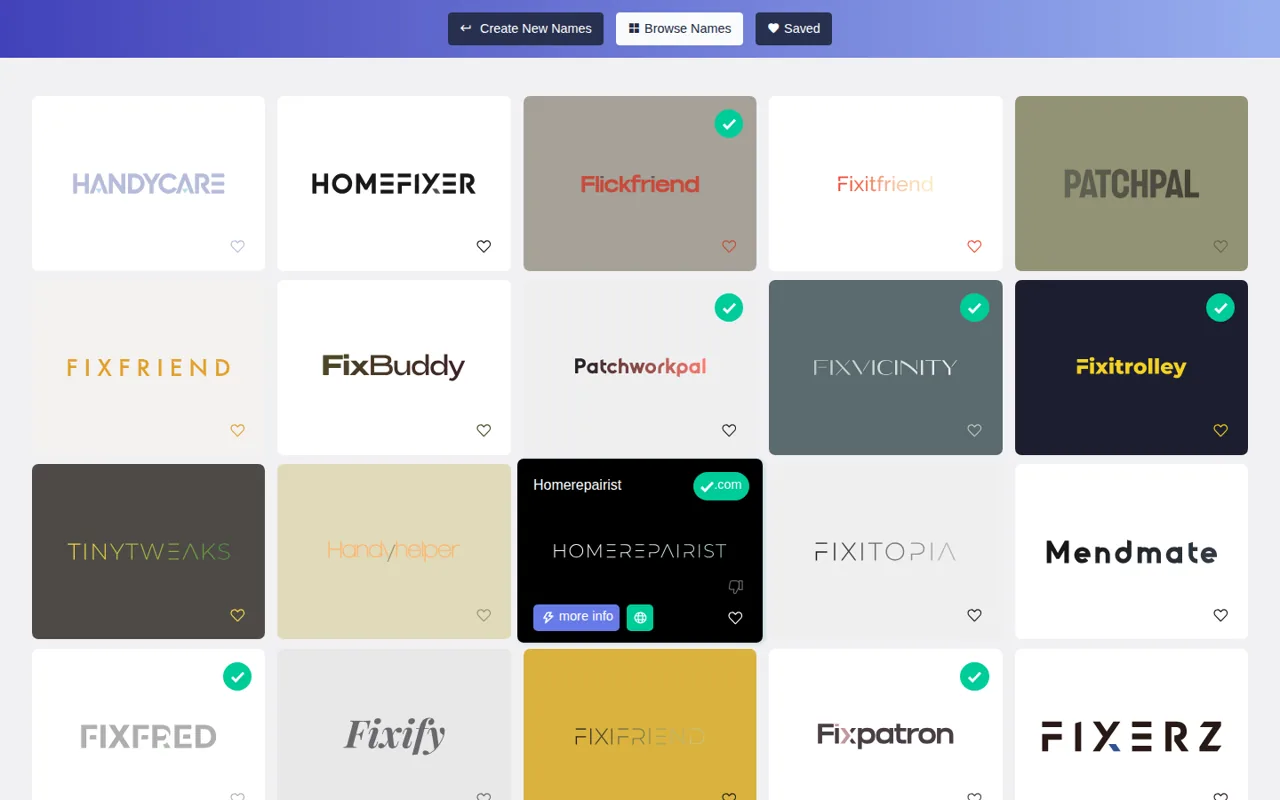
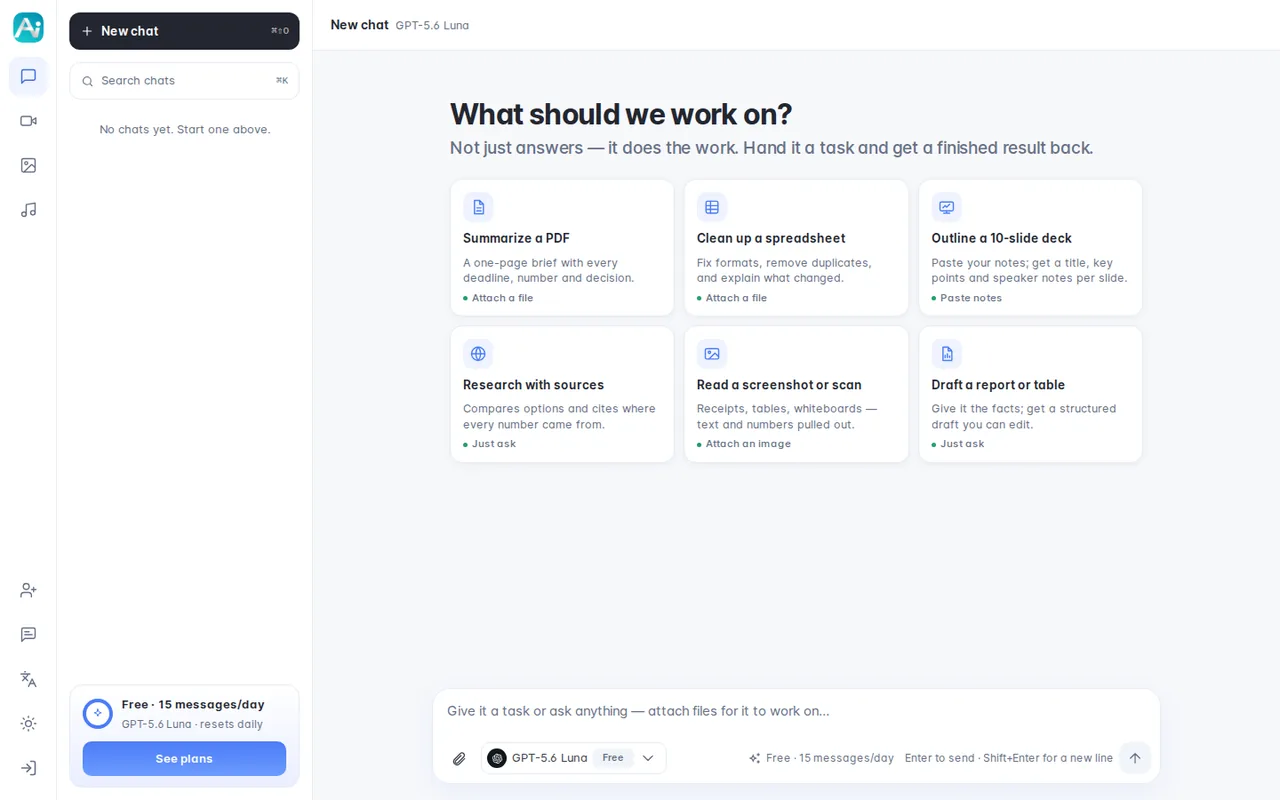
Start from your task, not from a winner.
Run both tools on the same real task, then compare the result, how much editing it needs and how fast it uses your plan’s allowance.
How we reviewChange this pair
Choose tools
Choose two tools below. You can replace either selection at any time.
Audio & voice
Automation
Coding
Data & spreadsheets
Images & design
Presentations
Research & sources
Video & editing
Website builders
Writing & content
Comparing tools from different categories is fine, and often useful — a writing assistant and a research tool solve different halves of the same job. The table will show you exactly where they diverge.
Questions about comparing tools
How does the comparison work?
Add two tools to the comparison tray from any tool card, then open this page. The table pulls each tool's verified plan details, platforms, strengths and limits from its profile, so both columns carry the same kind of evidence, with a separate source-check date for each tool.
Do you declare a winner?
No. The table sets two tools against each other on documented facts, not on a score. Which one wins depends on your task, your budget and your usage volume — three things we cannot see from here.
Why are some cells empty or marked unverified?
Because we could not confirm that detail on the vendor's own pages. Rather than filling the gap with a figure from elsewhere, we mark it and say why on the tool's profile.
Can I compare more than two tools?
Not at once. Two columns keep the differences readable and force a real decision. Remove either selected tool to replace it, or clear both to start a new pair.
Every figure in the table above comes from the linked profile, where the source and the verification date are listed. Browse all tools or read the editorial policy.